Home Addition Ideas for Your Dream Remodel
There are different ways to expand your house for more space. You can add a first- or second-floor addition, a sunroom, a basement addition, or simply expand an existing room. The right approach depends on your family’s needs, budget, and how you want the new space to function. When you’re ready to move from ideas to a real plan, explore our full Indianapolis home additions process and recent projects.
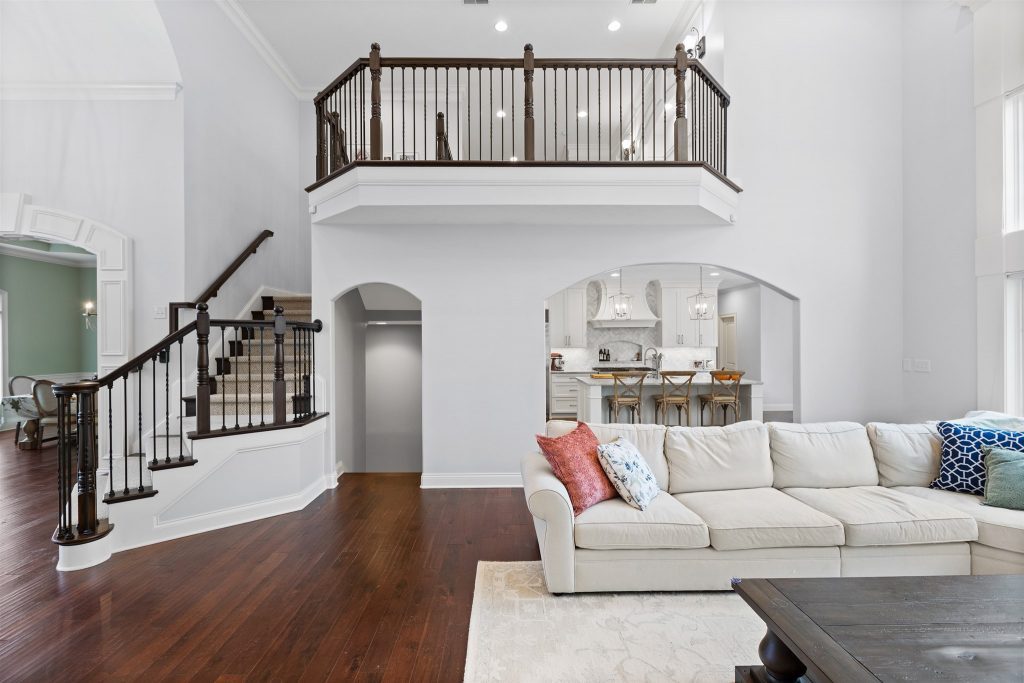
Upgrade Ideas for 1950s Ranch Homes
If you live in a classic 1950s ranch style home, an addition can work wonders for both function and curb appeal. Homeowners often choose to expand these homes by:
- Adding a Second Story: Increasing living space upward can double your square footage while maintaining your backyard space.
- Expanding the Footprint: Extending out the back or side of your ranch can transform a modest floor plan into a spacious open-concept layout.
- Incorporating Modern Materials: A mix of stone, fiber cement siding, and large windows—like you’ll see in HGTV and Architectural Digest features—instantly updates the look.
- Bringing in More Light: Consider a sunroom or larger windows to brighten your interiors and create a stronger connection to outdoor spaces.
With these kinds of additions, it’s possible to keep the retro charm while gaining all the benefits of a modern home.
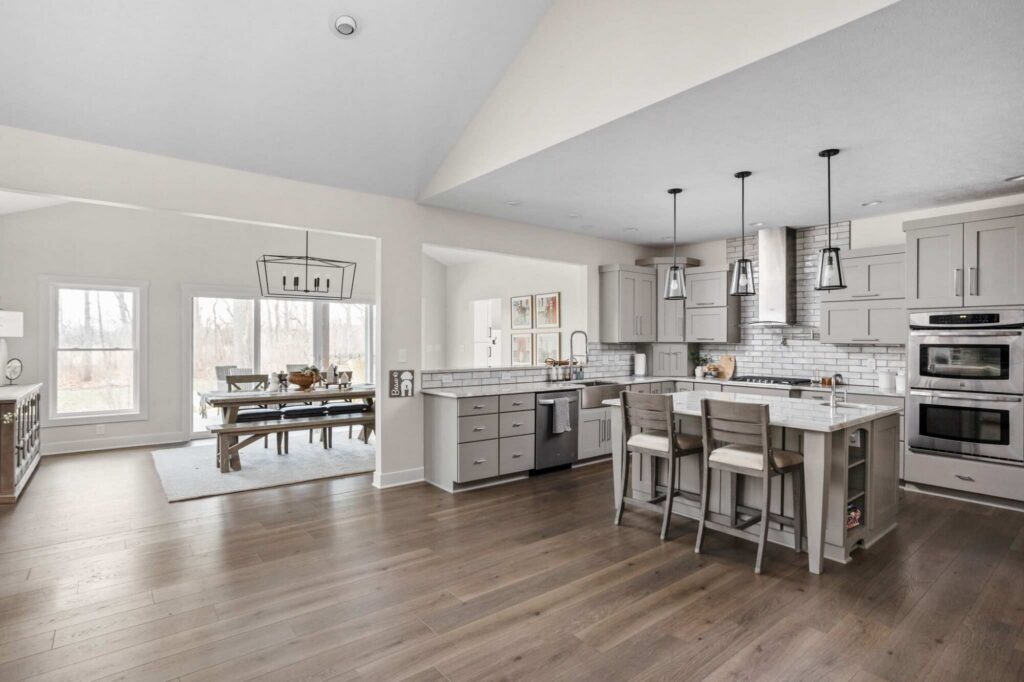
Expand a Classic Ranch or Rambler for Modern Comfort
If you live in a classic mid-century ranch or rambler built between the 1950s and 1960s, you’re probably familiar with their cozy layouts—and sometimes, their not-so-generous square footage. The good news? These homes are excellent candidates for thoughtful additions and remodels that can truly transform your living experience.
Consider these popular strategies for breathing new life (and space!) into your retro gem:
- Bump out the main living area: Expanding a cramped living room or kitchen outward—even just a few feet—can create a dramatic sense of openness and light.
- Open floor plans: Knocking down non-load-bearing walls between the kitchen, dining, and living areas is a classic move that turns a compartmentalized layout into a welcoming, modern space for entertaining and relaxing.
- Add a sunroom or screened porch: Bringing more natural light into your home while creating extra functional space for work or play is always a win, and fits beautifully with the mid-century vibe.
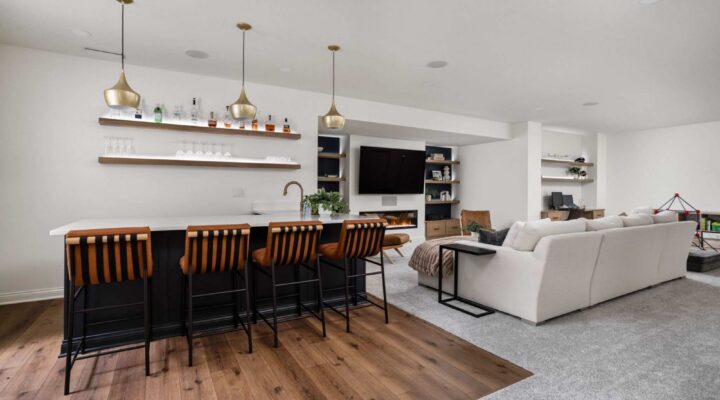
- Finish the basement: If your ranch has a basement, finishing it can double your living space, providing room for a family den, guest suite, or hobby area.
- Build up with a second-story addition: If your lot size is limited, adding a partial or full second floor can dramatically increase your square footage—adding bedrooms, a master suite, or even a home office.
With a bit of creative planning, even the humblest rambler can become an airy, light-filled oasis tailored to today’s lifestyle.
Ready to turn these ideas into a real addition? We design and build custom home additions that feel like a natural extension of your home.
View Our Indianapolis Home Additions Process →
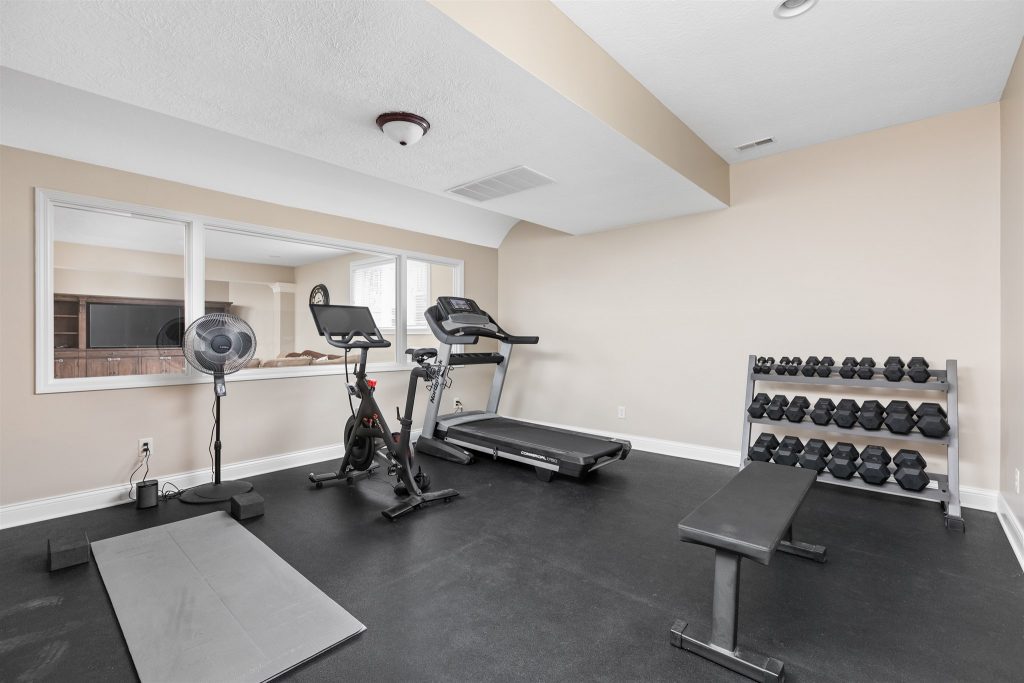
Create a Home Basketball Court or Gym
If your family dreams of having dedicated space to shoot hoops or get in a workout without ever leaving the house, consider adding a basketball or fitness gym to your property. These types of additions come in a range of sizes and styles:
- Indoor Half-Courts: Perfect for basketball enthusiasts, an indoor half-court fits comfortably on most properties and lets you play regardless of weather.
- Multi-purpose Workout Rooms: Think beyond basketball—some families choose to incorporate space for free weights, exercise machines, or even yoga studios in their addition.
- Detached Gym Structures: If you prefer to keep your main living area separate, a standalone fitness building or gym can be constructed in the backyard.
Popular in many suburban homes, small-scale basketball courts and home gyms are a fantastic way to encourage active lifestyles and create a lively gathering spot for kids and adults alike. Additionally, including a workout space in your home can add both functionality and potential resale value.
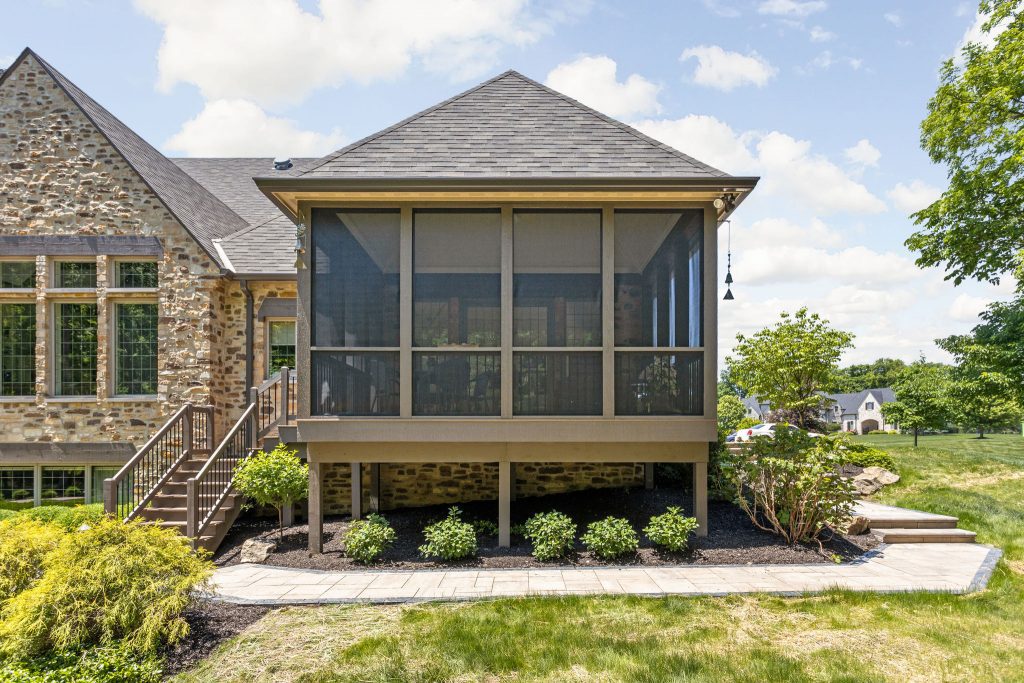
Popular Projects in the Hamptons: Sunrooms and ADUs
Some of the most sought-after home renovation projects in upscale areas like the Hamptons include airy sunroom additions and the ever-versatile accessory dwelling unit (ADU), often known as a guest house or in-law suite. Sunrooms have become a beloved choice for homeowners who crave more sunlight and a comfortable space to relax year-round, while staying protected from the elements. On the other hand, ADUs are gaining traction for their flexibility—they can serve as extra living space, a rental unit, or a private retreat for guests.
Inspiration can be found all over Long Island, where homeowners frequently combine sunrooms and ADUs to maximize both enjoyment and property value. If you’re dreaming of a space that brings in natural light and offers extra functionality, these types of additions are certainly worth considering.
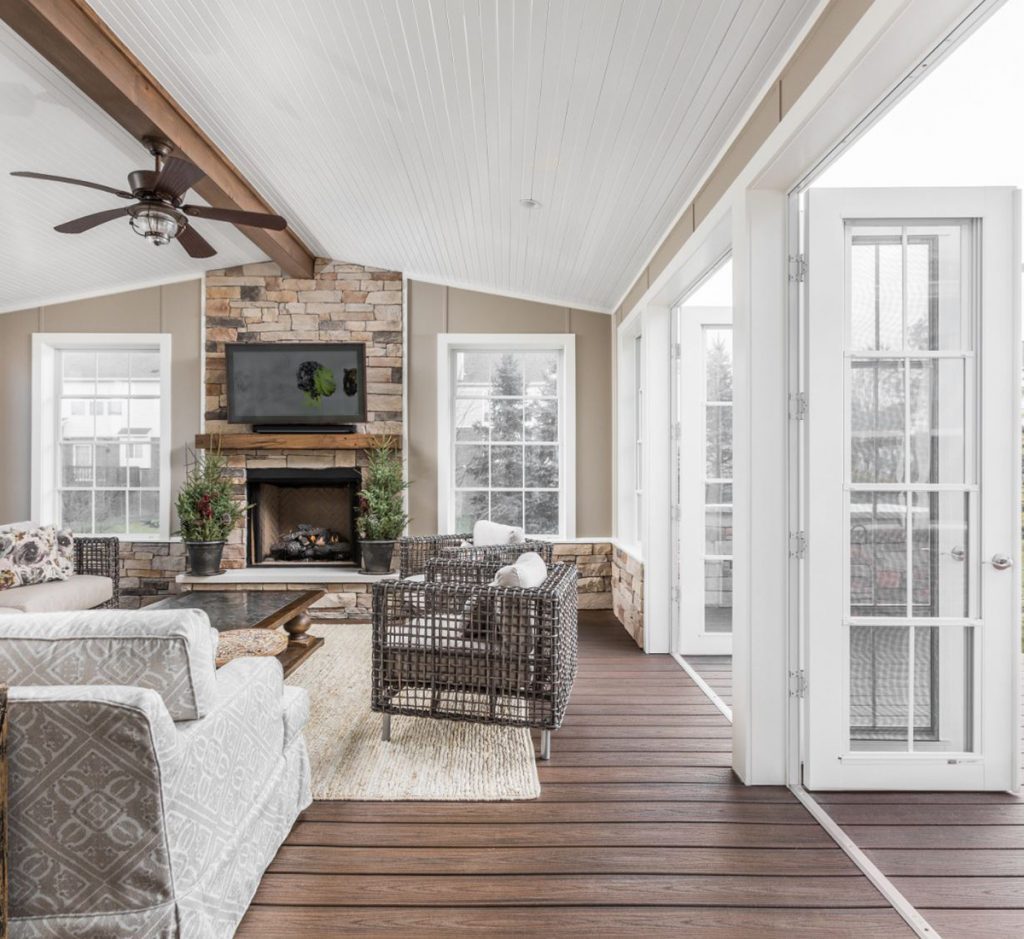
Connect to the Outside
For example, if you want to make better use of your backyard space and enjoy the out-of-doors, you might consider adding a deck and/or sunroom to your house. Both types of additions will allow you to admire Mother Nature in comfort. They also act as a transitional zone between the outside and inside of your house, which is particularly useful if you have small children who like to play outdoors. Decks and sunrooms also provide wonderful places to gather and entertain. Of course, sunrooms offer the added benefit of adding square footage (and value) to your house and give you year-round opportunities to enjoy the view.
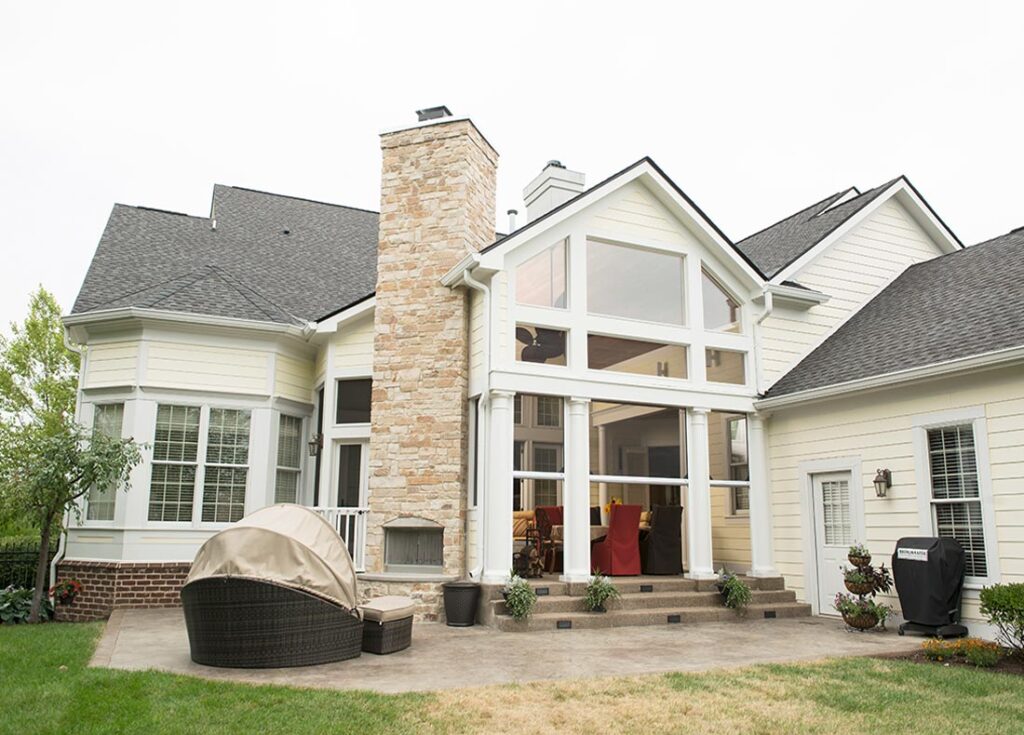
Covered Porch Additions
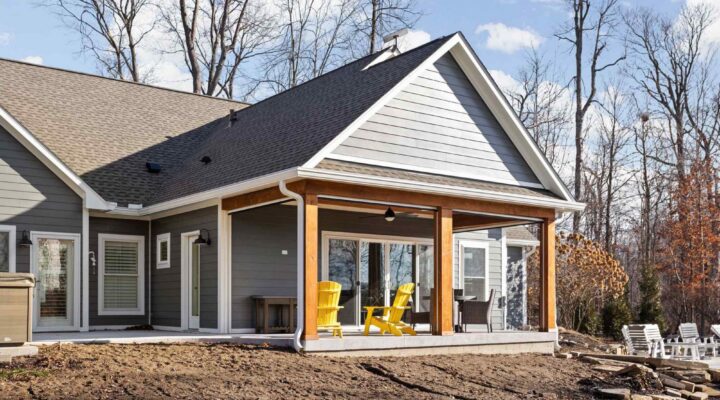
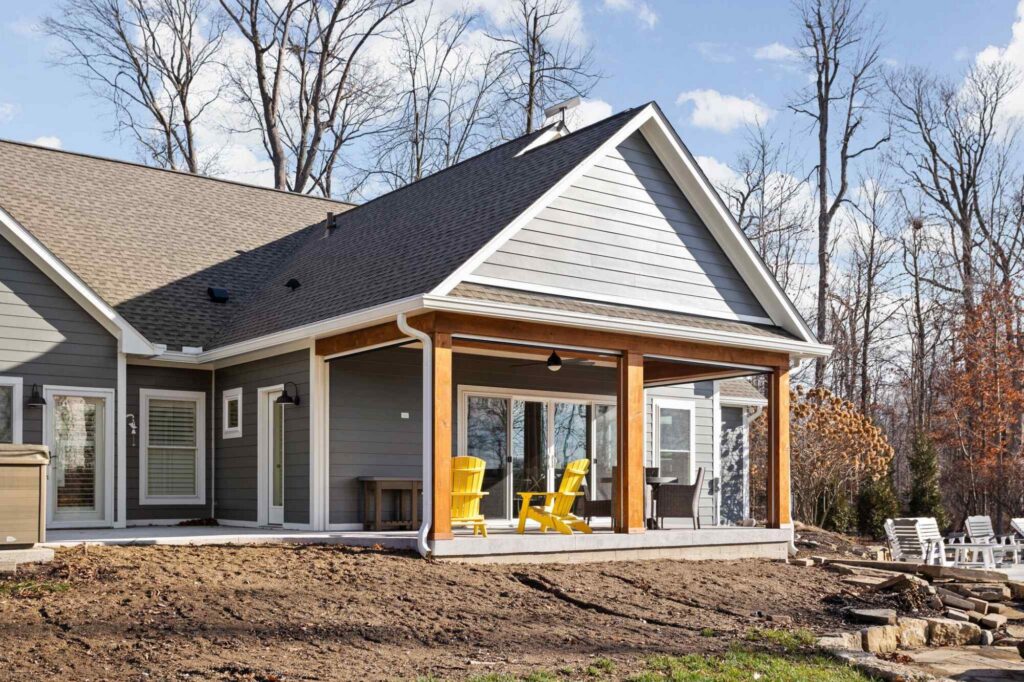
Another idea to connect with the outdoors is to add a covered porch. A covered porch not only enhances your home’s curb appeal but also creates a shaded, breezy retreat for relaxing with a good book or enjoying a cup of coffee—even when the weather is less than perfect. Whether screened or open, covered porches become natural gathering spots for friends and family, and offer a seamless blend between your living space and the backyard. Plus, with the right furniture and decor, a covered porch can serve as a cozy extension of your home throughout much of the year.
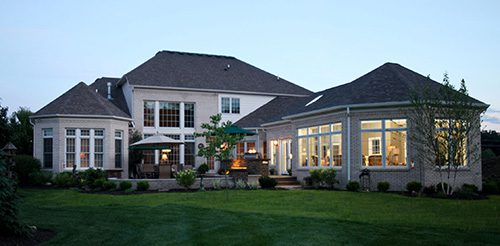
Expanding Family
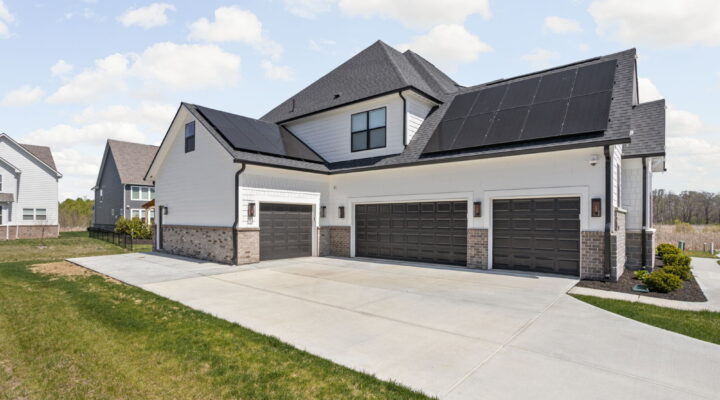
Growing families are a big impetus behind home additions. Usually it is because new children are born into the family, but the motivation might be the arrival of grown children or elderly relatives. Such events often create a need for additional bedrooms—which can be added with a two-story addition or a vertical addition such as building a room over the garage. You can also consider building a new master bedroom suite and converting the old one into children’s rooms. Of course, many growing families also like to expand their family rooms—or add a new one—so everyone can gather and interact.
From Storage to Sweat: Transforming Your Garage’s Second Level Into a Home Gym
Another creative way homeowners are making the most of their footprint is by converting the second story of a garage into a dedicated gym space. If your family is active or simply looking to keep fitness routines closer to home (and the elements at bay), this might just be your dream project.
A successful garage-to-gym transformation often starts with a few practical upgrades: sturdy flooring to handle weights and high-traffic activity, ample lighting, and upgraded insulation for year-round comfort. Add mirrors to enhance both function and the feeling of spaciousness, and consider installing built-in storage or wall racks for fitness gear.
Ventilation is key too—a ceiling fan or wall-mounted unit from brands like Big Ass Fans can keep your workouts pleasant even in July. And since a gym space benefits from natural light, installing skylights or extra windows is a popular choice.
This idea not only boosts your home’s usable square footage but brings wellness to your doorstep—without sacrificing a bedroom or crowding another living area. Whether you’re into free weights, yoga, or CrossFit, this smart conversion is a way to transform unused space into a fitness zone that’s truly your own.
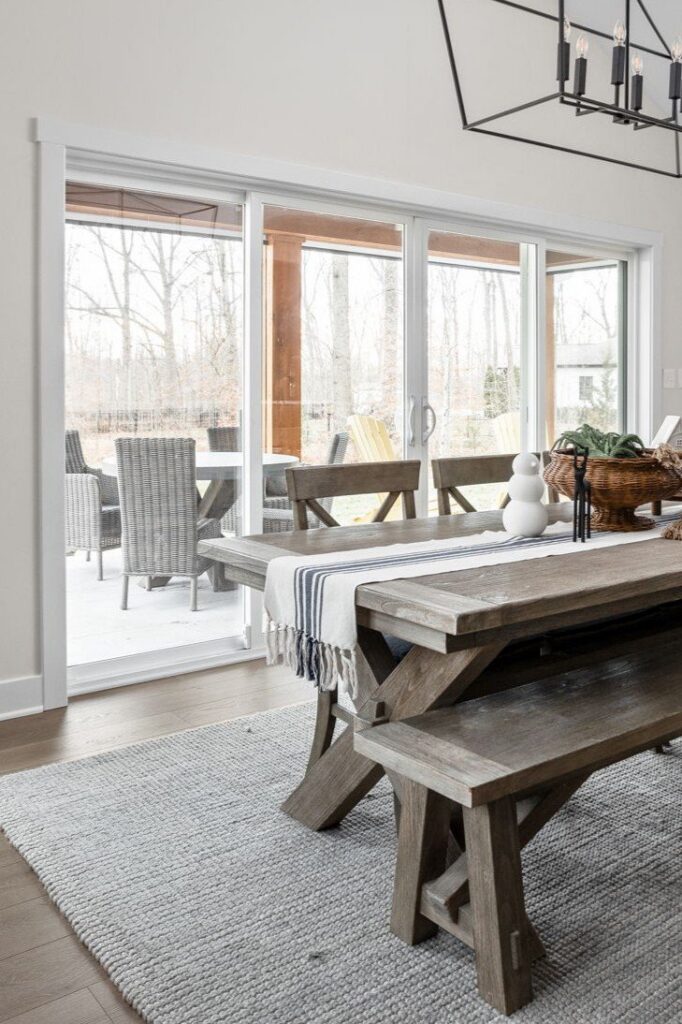
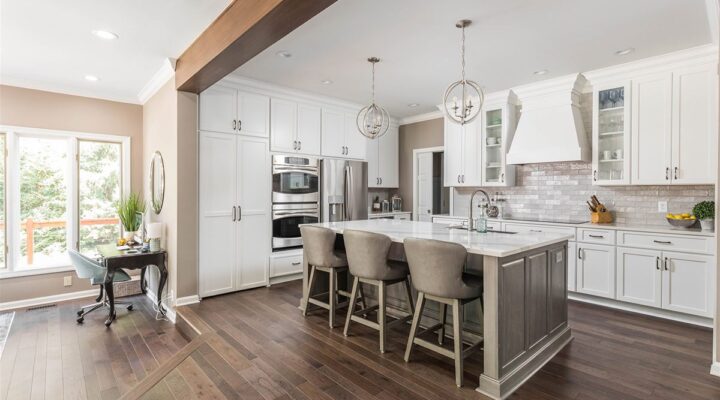
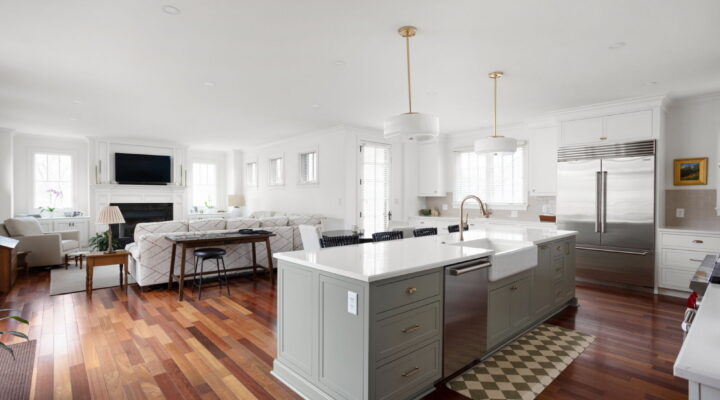
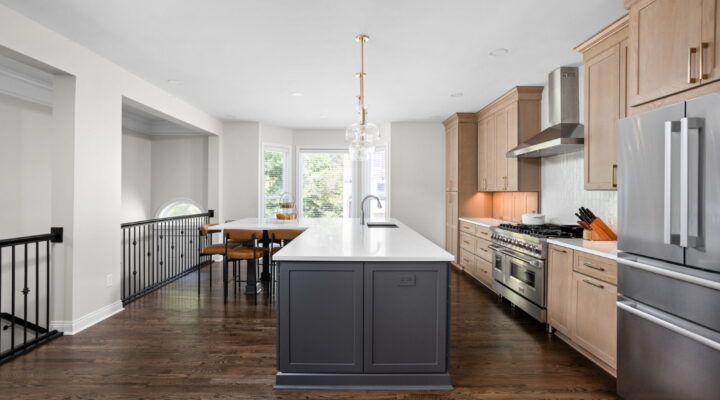
For people who like to entertain, a cramped house is the bane of their existence. An enormous master bedroom suite does you no good if what you want is space for guests to mingle and circulate. Naturally, the kitchen is often the target of such a remodel or addition since it is not only the place where you prepare and serve food but also the room where everyone tends to congregate during a party. But other public spaces are candidates for expansion as well, including the living/family room and the dining room—particularly if you have a lot of dinner parties. You don’t necessarily need to add an entire room to give yourself more entertaining space. Consider a bump out. Adding a few feet to a room can create an eat-in kitchen or make your dining room large enough to accommodate more guests.
Expanding a Cape Cod: Kitchen and Living Room Ideas
-style homes are beloved for their classic charm, but they’re not always known for spacious interiors. If you’re hoping to add elbow room—especially in the kitchen or living room—you have several tried-and-true options to consider.
A popular route is to design a rear addition or side bump-out, which can enlarge the kitchen and invite more natural light. This creates space not only for additional cabinetry and work surfaces, but also for a welcoming breakfast nook or family gathering spot. In many successful Cape remodels, homeowners open up the kitchen by removing a dividing wall, seamlessly connecting it to the living room. The result: an open-concept layout that feels inviting and airy—a far cry from the compartmentalized floor plans of the original Cape design.
Another clever idea is to add dormers or expand the roofline, which can offer new opportunities both above and on the main floor. Dormers not only boost curb appeal but can make second-story spaces more functional, giving you options to reconfigure adjoining living and kitchen areas downstairs.
Remember, any addition should respect the original architecture. Stick with classic finishes—think built-in cabinets, detailed moldings, and hardwood floors—to ensure your new space looks like it’s always belonged. With smart planning, your expanded Cape Cod can offer that perfect blend of timeless style and everyday comfort.
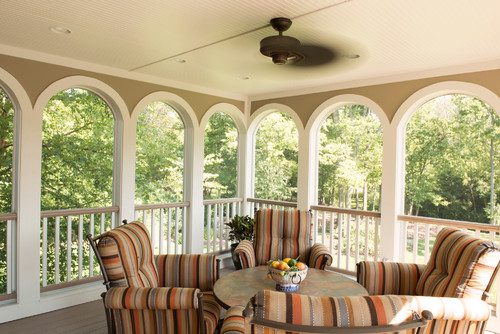
In-law or Au-Pair Suite If you are planning to have someone (such as a relative or au pair) move in with you on a permanent basis, you might be considering how you can create a more independent living area in the house—with a separate entrance and its own bathroom. This situation is ripe for a basement remodel or garage conversion; with a location that is slightly separate from the rest of the house, these additions preserve some autonomy for the newcomer.
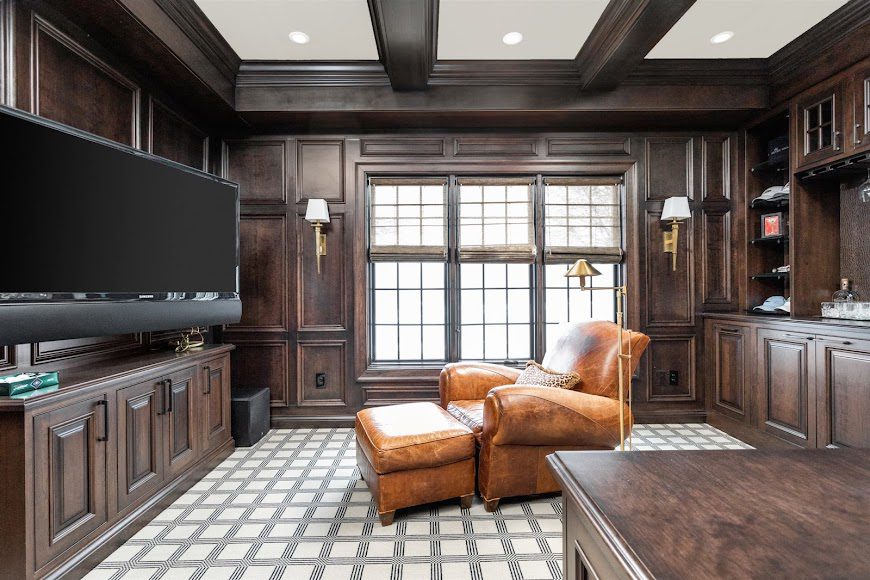
Home Office
You can add a home office almost anywhere. You can bump out an existing room or build a new room onto the first floor of your house—or even the second floor over the garage. A home office is also another good candidate for a garage conversion—particularly if you will have frequent visitors to your home office; it can provide autonomy and an entrance separate from the rest of the house.
Preserving History With Thoughtful Renovations
If you live in a historic home—or have dreams of transforming a unique property, like an 1814 schoolhouse—renovation and expansion can bring a wonderful blend of character and function to your living space. The key to success is ensuring that any additions or updates feel as though they have always belonged.
Specialists in historic renovations, such as Period Architecture, often approach these projects with a focus on craftsmanship and respect for original details. Here are a few strategies to keep in mind:
- Sympathetic Design: New spaces are designed with materials, proportions, and details that echo the existing structure. This might mean carefully matching stonework, molding profiles, or window styles so that additions blend seamlessly with the original building.
- Modern Function, Classic Feel: While new rooms might add sought-after amenities—like a sun-filled family room or a private home office—incorporating reclaimed wood, antique fixtures, or period cabinetry can help maintain an authentic atmosphere.
- Subtle Transitions: Rather than dramatic contrasts, transitions between old and new are crafted to be gentle. For instance, a modern kitchen may open onto a historic dining room with wide cased openings and trim details that unify the spaces.
- Preserving Integrity: Original architectural features, such as tin ceilings, exposed beams, or vintage brickwork, should be preserved and highlighted wherever possible. New elements are typically reversible so that future generations can appreciate the history as well.
A thoughtfully renovated historic property offers the best of both worlds—timeless style and today’s comforts—all while increasing the value and livability of your home.
Trying to decide which home addition is right for you? Contact Worthington Design & Remodeling to start a conversation today.
Estimated Costs for Building a 2,000 Sq Ft Custom Home
Wondering about the investment required to bring a 2,000 square foot custom home to life? Costs can vary quite a bit depending on your location, finishes, and the complexity of your design choices. In Omaha—as in many cities across the Midwest, recent trends show that building a custom home of this size typically ranges from $350,000 to $600,000. This price range covers everything from basic finishes to more expensive selections, and includes essentials like permits, site prep, and standard utilities.
A few factors that influence the final price tag include:
- Materials and Finishes: Opting for granite countertops and hardwood floors will push costs higher than choosing more modest materials.
- Labor Costs: Local wages for skilled trades make up a significant portion of your budget.
- Design Complexity: Architectural flourishes, vaulted ceilings, or custom built-ins add elegance (and expense).
- Site Conditions: Challenging topography or the need for significant grading can increase excavation and foundation costs.
- Energy Efficiency & Upgrades: Solar panels, upgraded insulation, or smart home systems are appealing but will bump up your bottom line.
Keep in mind, these numbers are just a starting point. For a more tailored estimate, it’s wise to consult directly with experienced builders in your region. Planning ahead and setting priorities will help you make the most of your budget while building the home you’ve always envisioned.