When homeowners begin searching for a trusted team for a four seasons room addition in Indianapolis or Carmel Indiana, they are usually not just looking for square footage. They are looking for a smarter way to live in the home they already love.
This Indianapolis home addition was designed with that exact goal in mind. The project introduced a four season room that extends from the existing kitchen and living area, along with a half bath, mudroom entry that connects to the pool, and a covered patio for outdoor enjoyment. At the same time, the kitchen was thoughtfully refreshed to ensure the expansion felt cohesive rather than separate.
The result is a home that lives larger, flows better, and supports how this family spends time together every day.
Designing a Four Season Room Addition That Feels Original to the Home
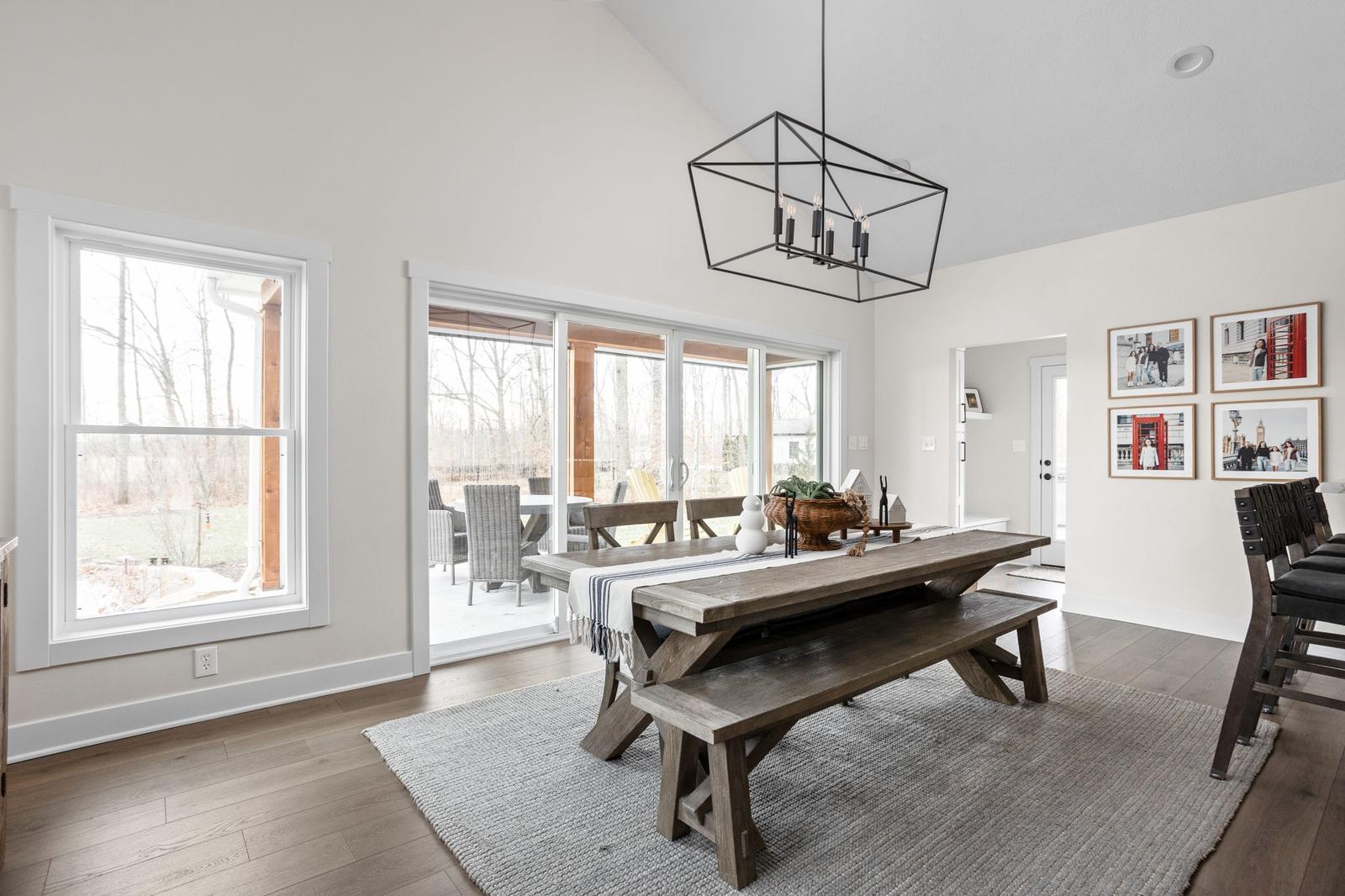
The intention behind the four season room was simple but meaningful. The homeowners wanted a space that felt bright and open during the day, comfortable in the evening, and usable throughout all four seasons in Indiana. It needed to feel like a natural continuation of the home rather than a later addition.
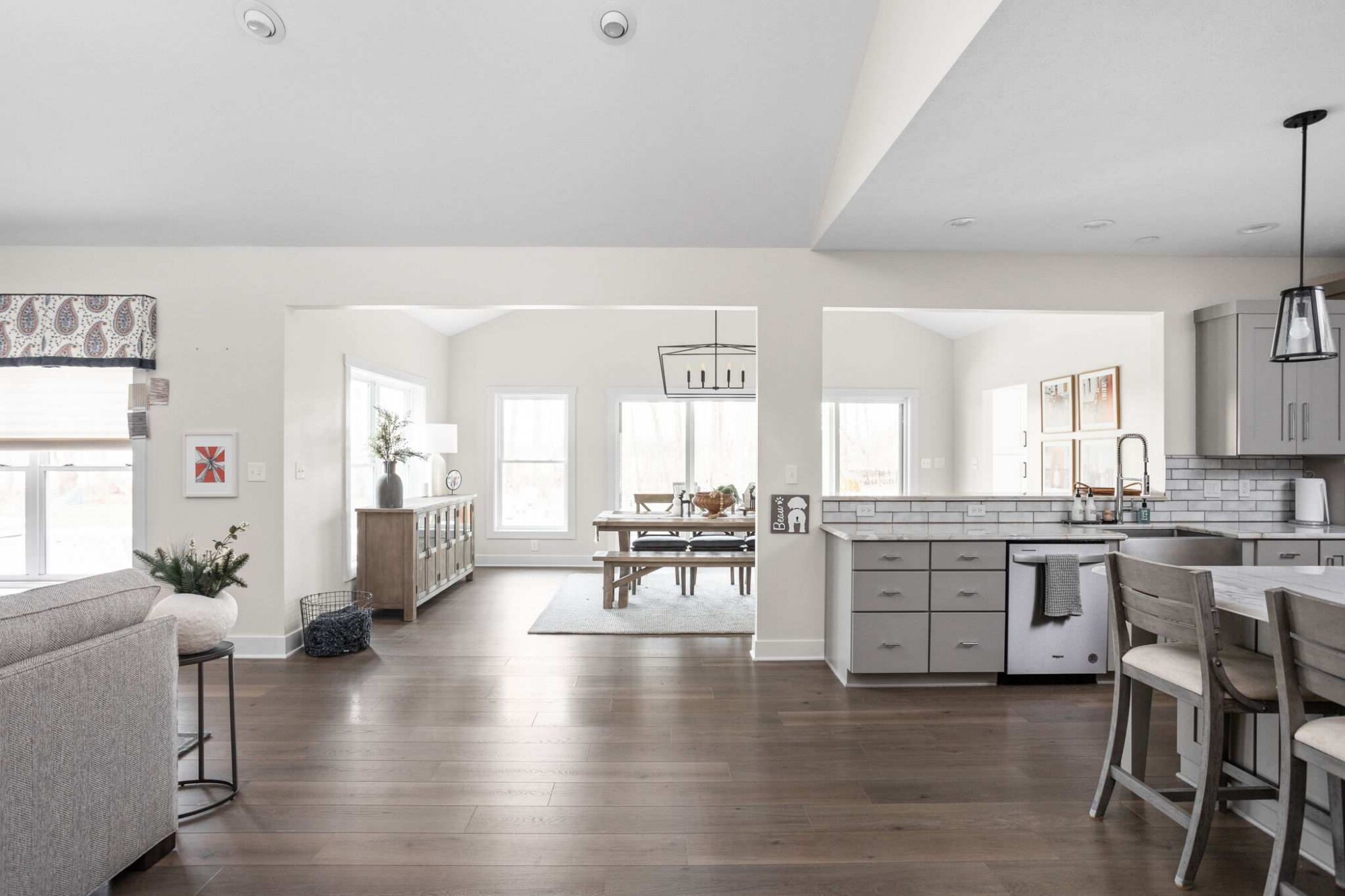
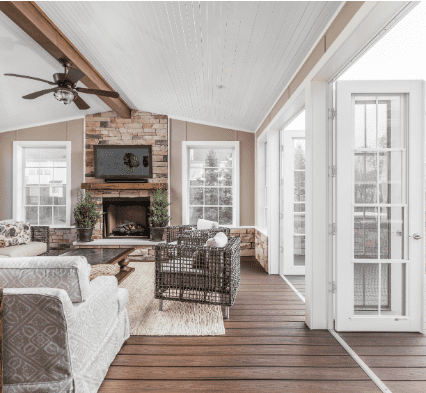
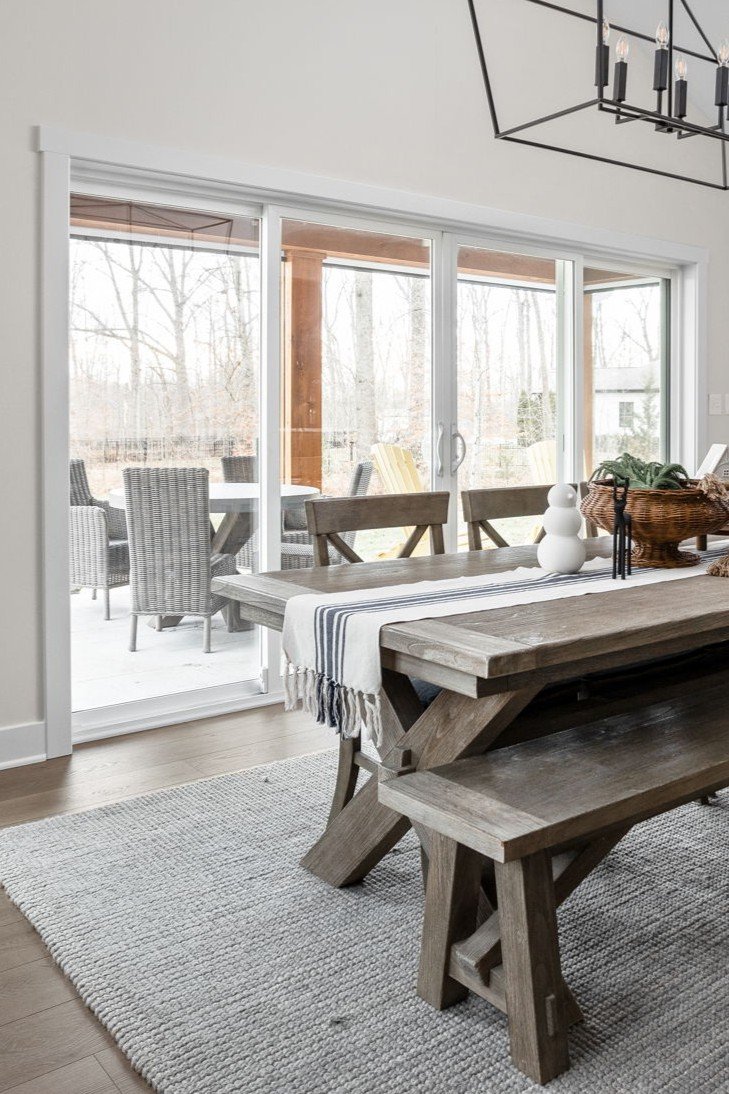
Large windows and a four-panel sliding door bring in natural light and views of the backyard and covered patio. The ceiling vault adds volume and architectural interest, creating a sense of openness while still maintaining visual connection to the adjacent kitchen and living areas. A structural beam defines the transition between spaces, allowing the rooms to feel connected yet distinct.
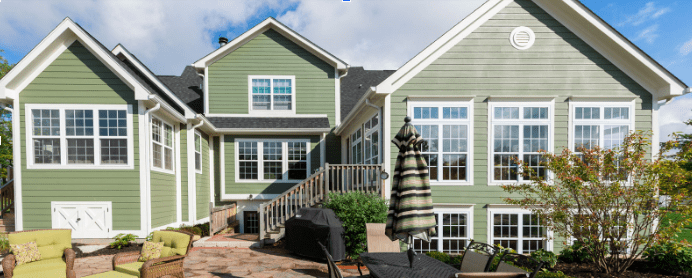
This is where thoughtful home addition design matters. The proportions, window placement, and trim details were selected to align with the existing architecture so the room feels intentional. When done correctly, a four-season room does not feel like “extra space.” It feels like a natural continuation of the home.
A Mudroom and Half Bath Designed for Real Life
This addition was not only about adding square footage. It was about improving how the home functions.
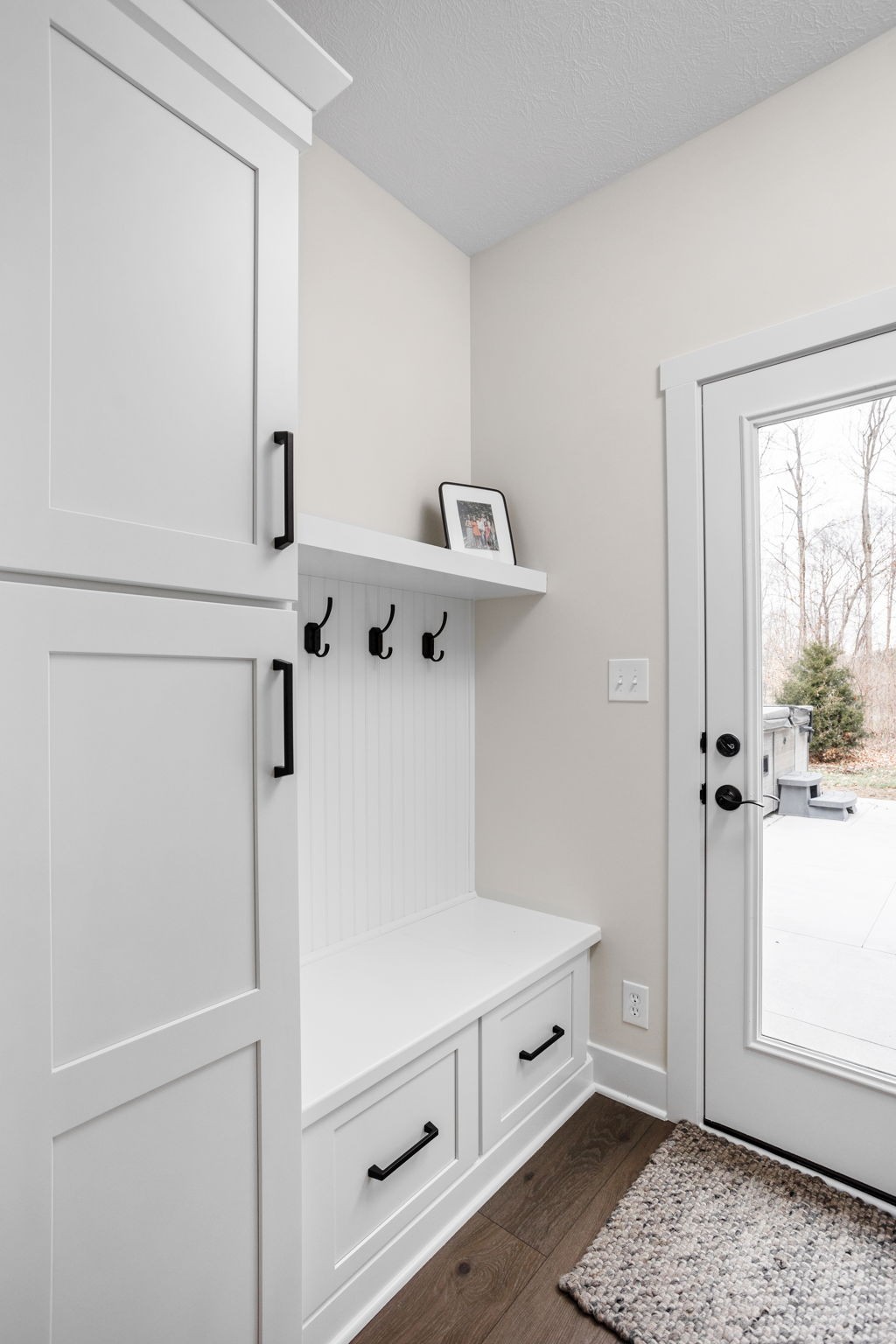
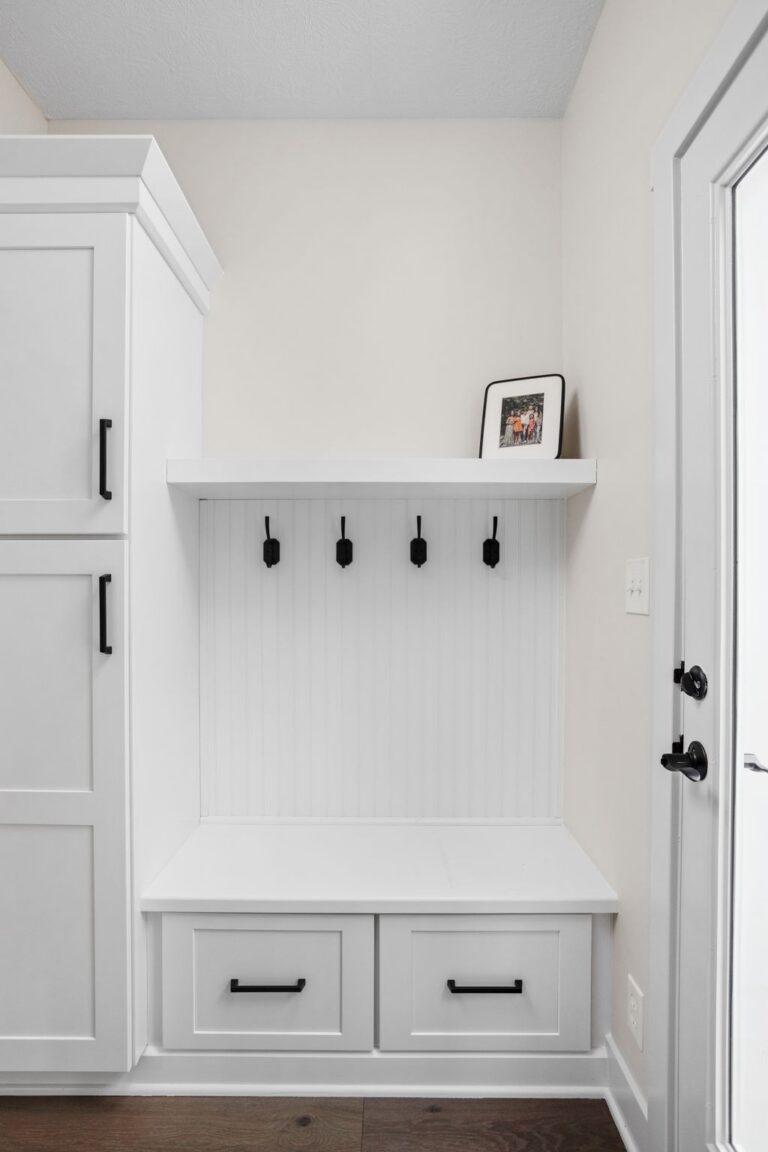
The new mudroom entry serves as a practical transition space between the backyard pool area and the interior. Built in cabinetry provides storage for towels, bags, and seasonal gear, while hooks and bench seating support everyday use. Instead of clutter migrating into the kitchen or living room, everything now has a designated place.
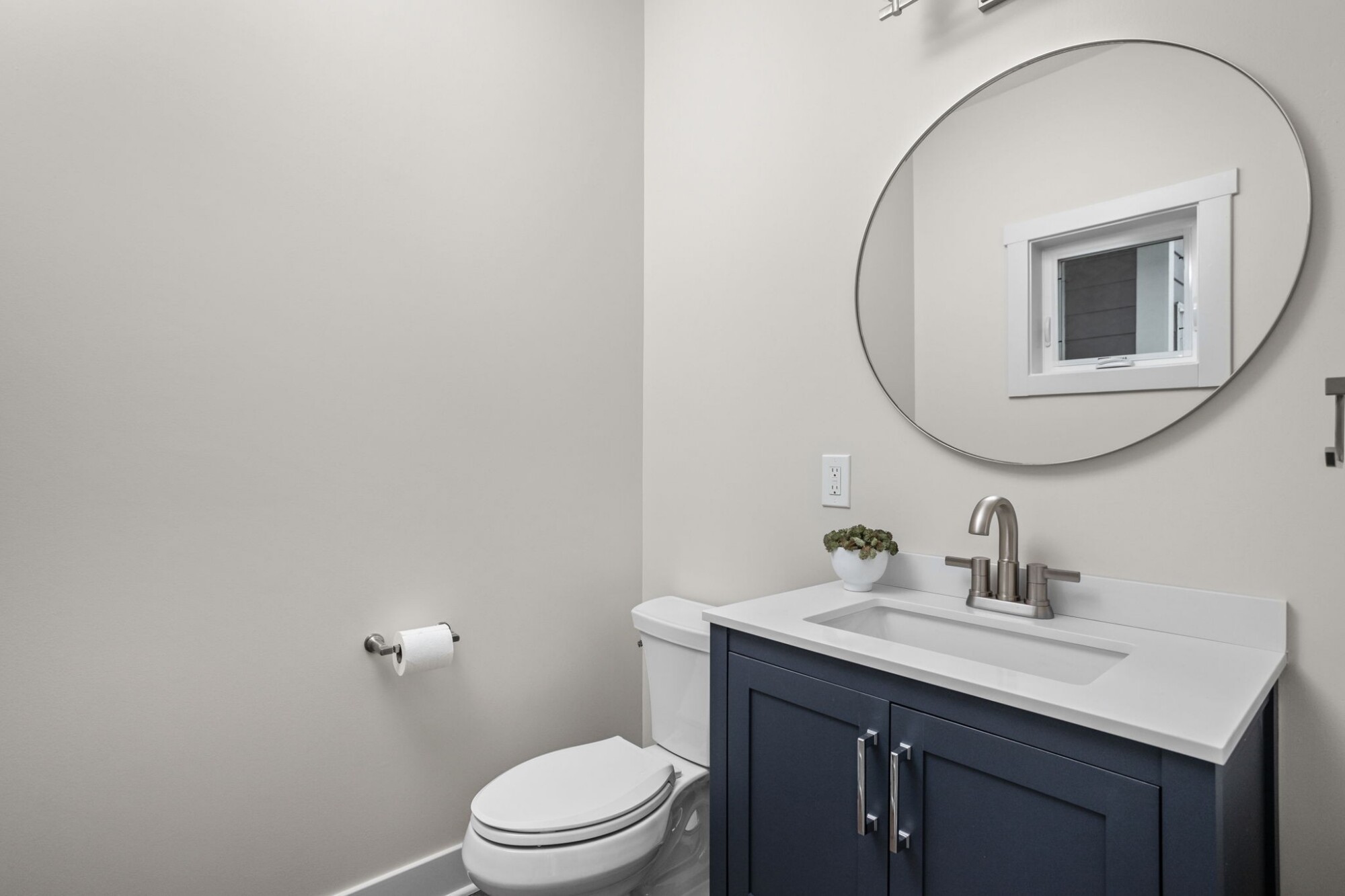
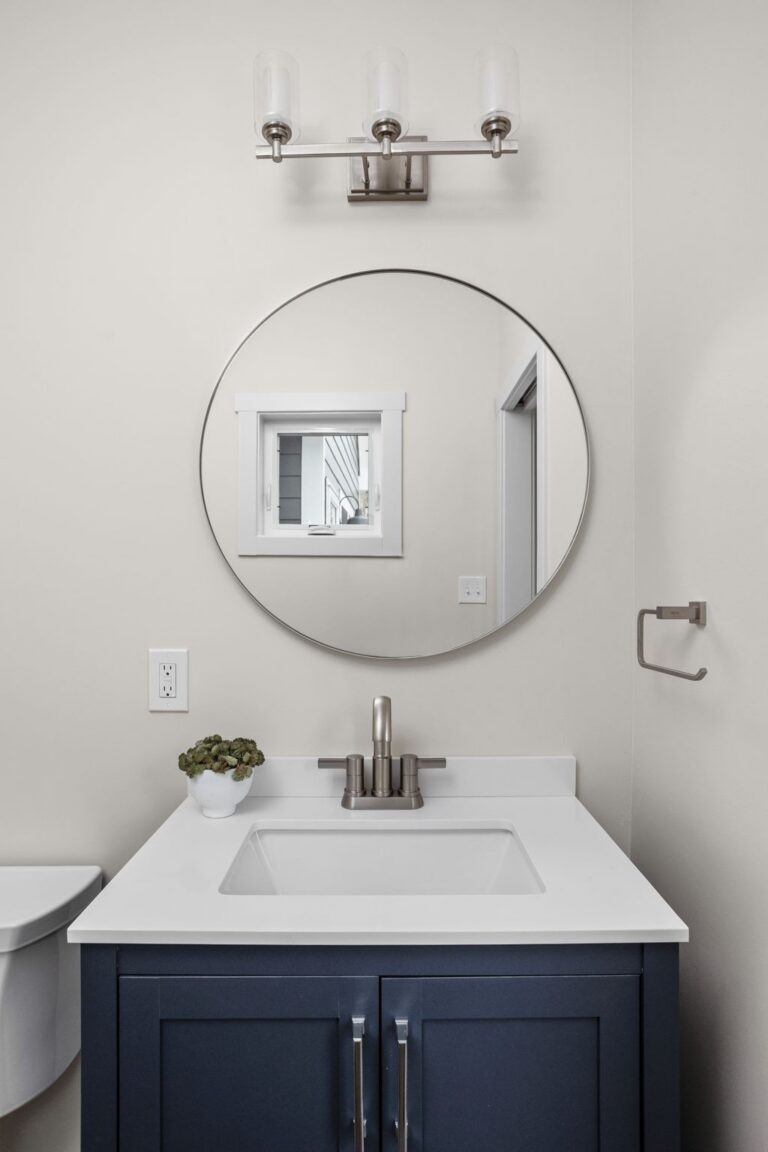
Adjacent to the mudroom is a half bath designed specifically to serve pool guests and outdoor gatherings. The vanity cabinetry in a deep blue finish adds character, while the cultured marble countertop offers durability and easy maintenance. Finishes were selected to feel elevated without being overly formal, reinforcing that this is a hardworking, high use space.
When homeowners evaluate home additions cost, adding plumbing spaces like a half bath is a significant value driver. However, it also adds tremendous convenience. In this case, the placement improves circulation and keeps the main living areas clean and organized during gatherings.
Refinishing the Kitchen for a Cohesive Expansion
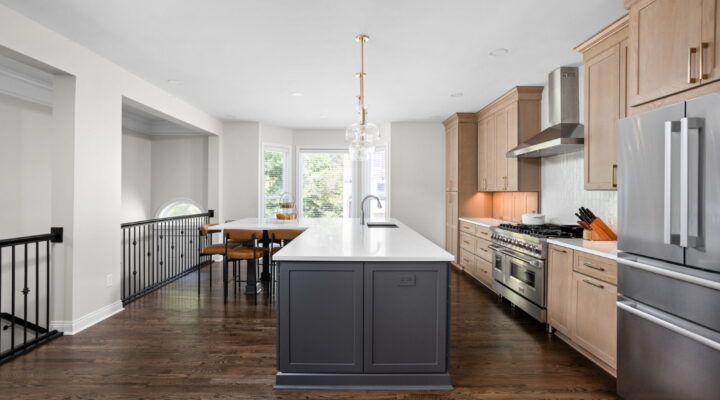
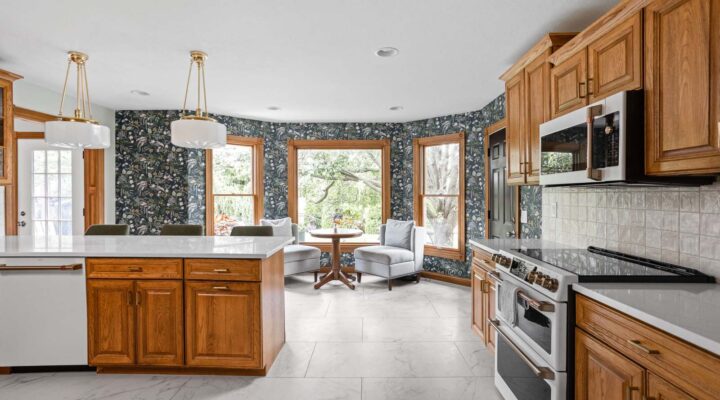
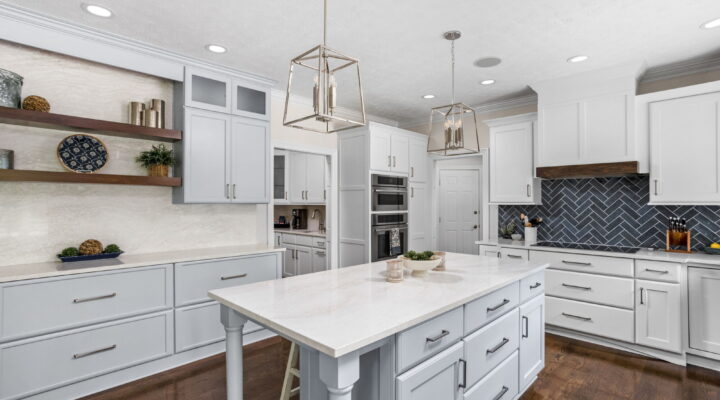
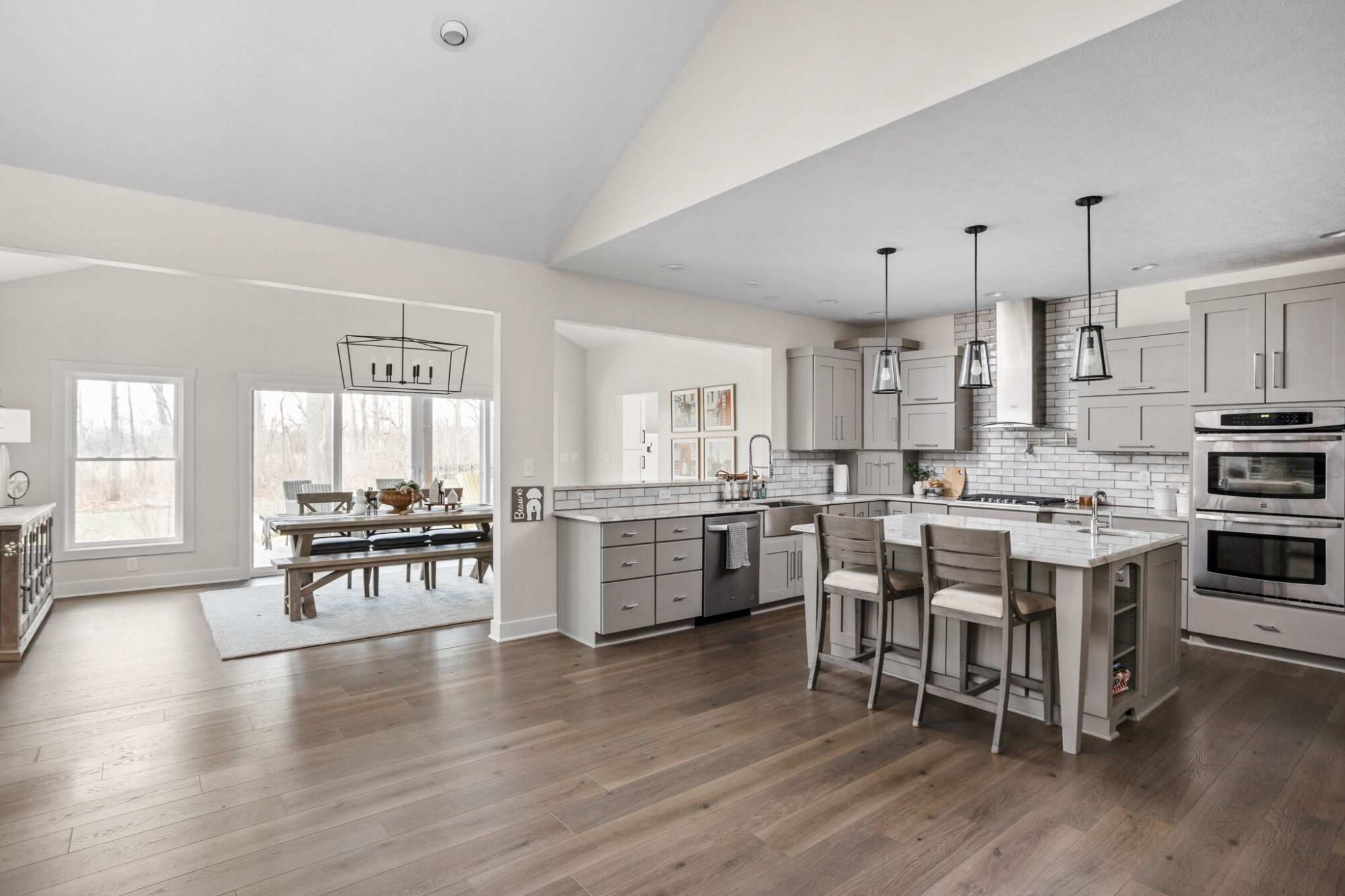
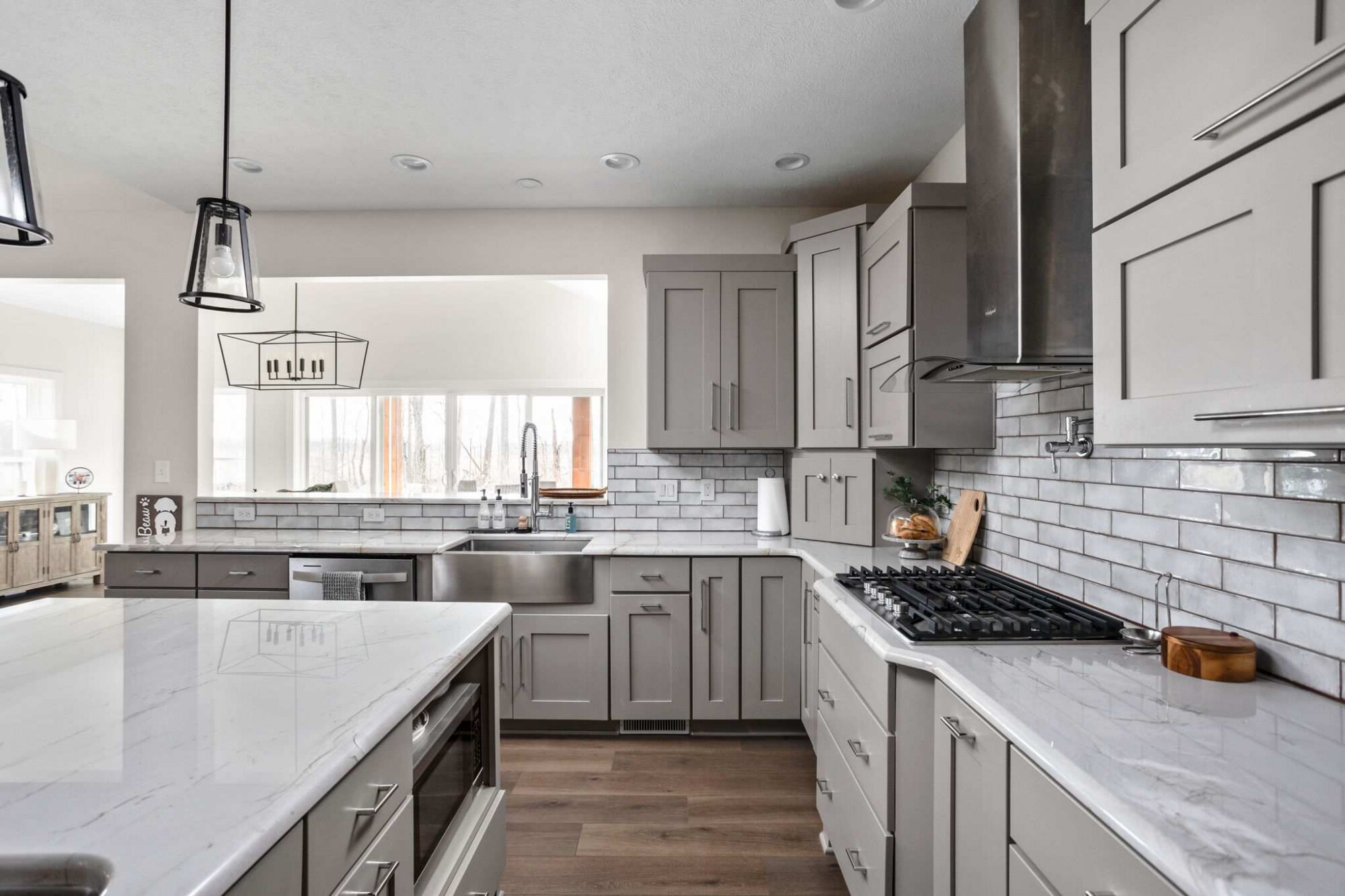
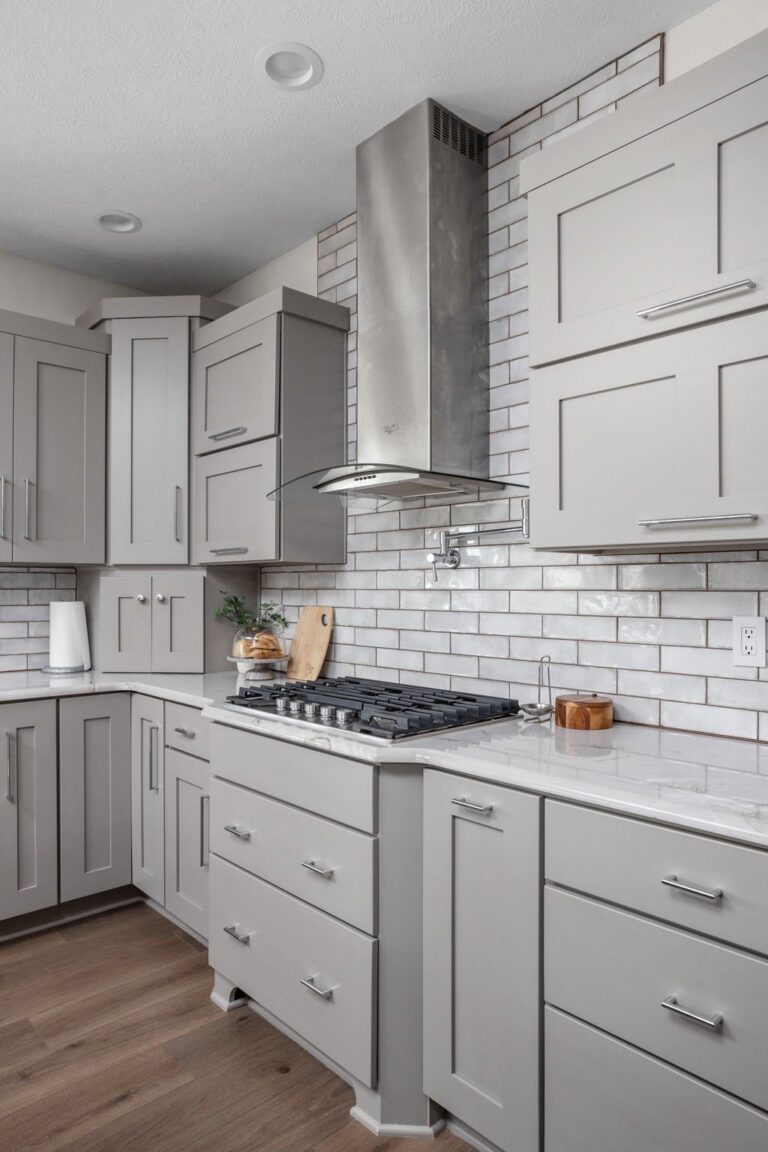
Rather than fully replacing the kitchen cabinetry, the homeowners chose to refinish the existing cabinets and introduce new materials to elevate the overall look.
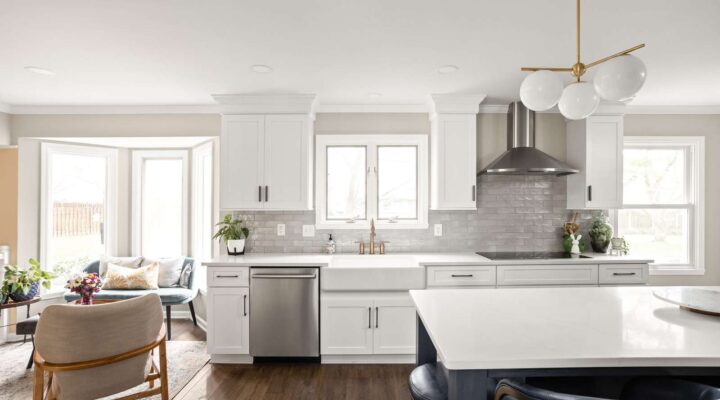
New quartzite countertops were installed, offering natural stone movement and durability. A fresh backsplash was added to brighten the space and enhance texture. These updates allowed the kitchen to feel refreshed and aligned with the new four season room without unnecessary demolition.
This approach demonstrates an important point about best home additions Carmel Indiana projects. Not every expansion requires starting from scratch. Sometimes strategic updates create the right balance between investment and impact.
The kitchen now transitions naturally into the four season room. The finishes complement one another, and the improved lighting and sightlines make the entire main level feel more expansive.
Covered Patio for Extended Outdoor Living
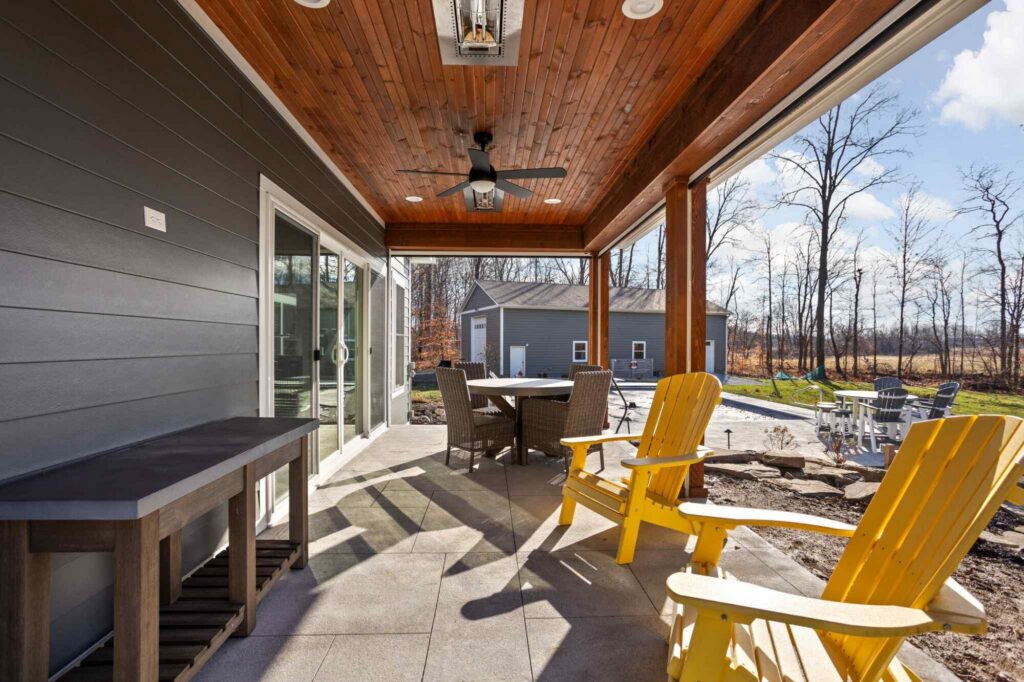
Beyond the four season room, the covered patio provides yet another layer of usable space.
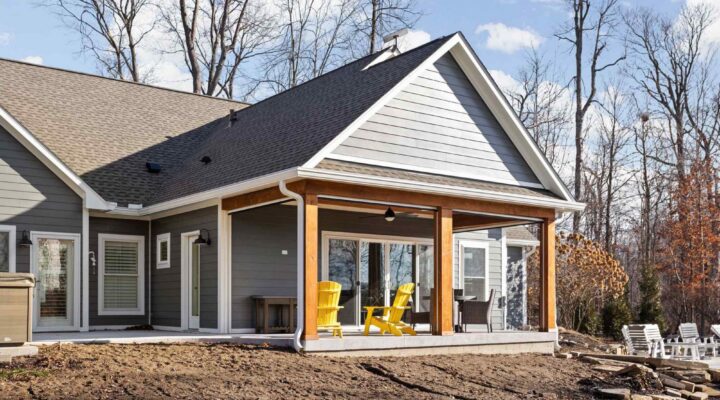
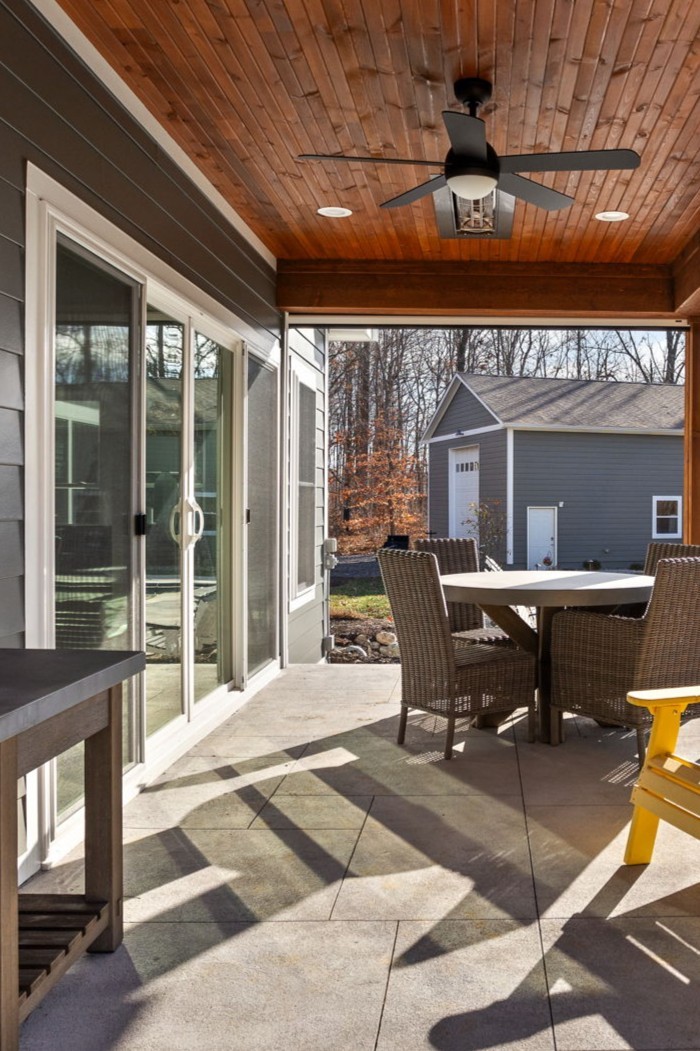
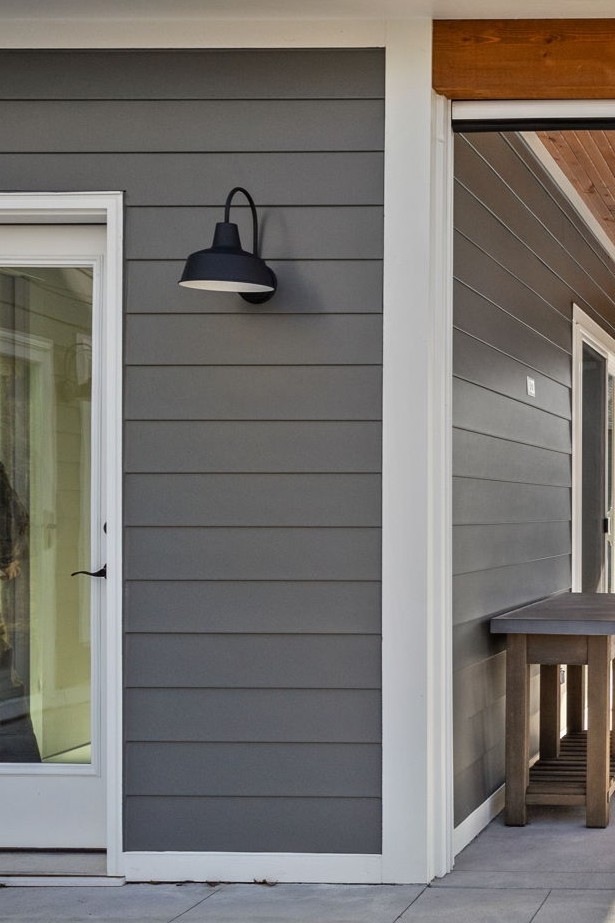
Wood wrapped posts, a warm wood ceiling, integrated lighting, and a ceiling fan create comfort during Indiana’s warmer months. This is not simply a slab extension. It is an intentional outdoor living area that supports dining, relaxing, and entertaining.
Because the four season room and covered patio are visually connected, the home now offers multiple layers of indoor and outdoor living. This type of layered design is often what differentiates average additions from truly thoughtful ones.
Understanding the Home Addition Process
Homeowners searching for a home addition Indianapolis often have one major concern: how will this affect my home and my daily life?
The process begins with discovery. Understanding how the family lives, how they entertain, and what frustrations exist within the current layout guides every design decision. From there, architectural planning ensures the addition aligns structurally and aesthetically with the existing home.
Permitting, engineering, and construction sequencing are coordinated so the new structure integrates properly with roofing, foundation, and utilities. Mechanical systems such as HVAC must be evaluated to ensure the home can support the new square footage. These are often overlooked factors when discussing home additions cost, yet they directly impact comfort and performance.
During construction, maintaining flow within the existing home is critical. A clear communication plan and phased scheduling help minimize disruption. When handled correctly, the addition feels like a natural evolution rather than a chaotic overhaul.
What Impacts Home Additions Cost
Home additions cost is shaped less by one single choice and more by how many building systems you are extending and how seamlessly the new space is integrated into the existing home. When you understand the main value drivers, it becomes easier to make confident decisions and prioritize what matters most to your lifestyle.
Size and structural scope are the foundation of the budget. A larger footprint typically means more framing, insulation, roofing tie ins, and interior finishes. Design features such as vaulted ceilings and expansive window walls can add visual impact and natural light, but they also require more structural planning and higher performing materials to keep the space comfortable year round.
Utilities and comfort systems are another major factor. Adding a half bath introduces plumbing and ventilation, and a conditioned four season room often requires thoughtful HVAC coordination to ensure consistent temperature and airflow. These behind the scenes decisions are not always visible once the project is complete, but they play a big role in how the space feels day to day.
Finally, site conditions and finish selections influence the overall investment. Foundation type, grading, and how the addition connects to the exterior of the home affect labor and sequencing. Interior selections such as flooring, lighting, and trim details shape the final experience of the space. The best approach is to think of cost as a reflection of long term usability, comfort, and fit, so the finished addition supports how you want your home to function for years to come.
It's all in the details...
Product Selections
Four Season Room
- Exterior 4 Panel Sliding Door: Windsor Next Dimensions Classic in White
- Exterior Door: ThermaTru Smooth Star Fiberglass
- Windows: Windsor Next Dimension Classic in White
Half Bath
- Vanity: Ove Decors Vegas 30″ Freestanding Vanity in Midnight Blue
- Cabinet Hardware: Amerock Blackrock
- Hooks: Top Knobs 55278-BBR / TK1065BLK
- Countertop: Cultured Marble
- Faucet: Delta Albion in Brilliance Stainless
- Mirror: Quorum International Round 30″ Framed Mirror in Silver
- Vanity Light: Craftmade Celeste 3 Light 16720BNK3
- Pocket Door Hardware: Schlage Solid Brass Privacy Pocket Door Lock 991B716
Entry and Mudroom
- Cabinetry: WW Wood Products Aspect Line finished in Tundra
Covered Porch
- Ceiling Fan: Hunter Gallegos 52″ 51585 in Matte Black
- Coach Light: Maxim Pier M Single 13″ 35016BK in Black
Kitchen Refinement
- Countertop: Mont Blanc Quartzite by Cutting Edge Countertops
- Backsplash: Hackney Pearl supplied by The Tile Shop
Additional Home Addition Projects
Every home addition begins with a different goal, whether that is adding functional square footage, improving connection to the outdoors, or reworking how existing spaces are used. The projects below highlight how thoughtful planning and clear priorities lead to additions that feel integrated, purposeful, and tailored to each home.
Home Addition in Carmel Indiana
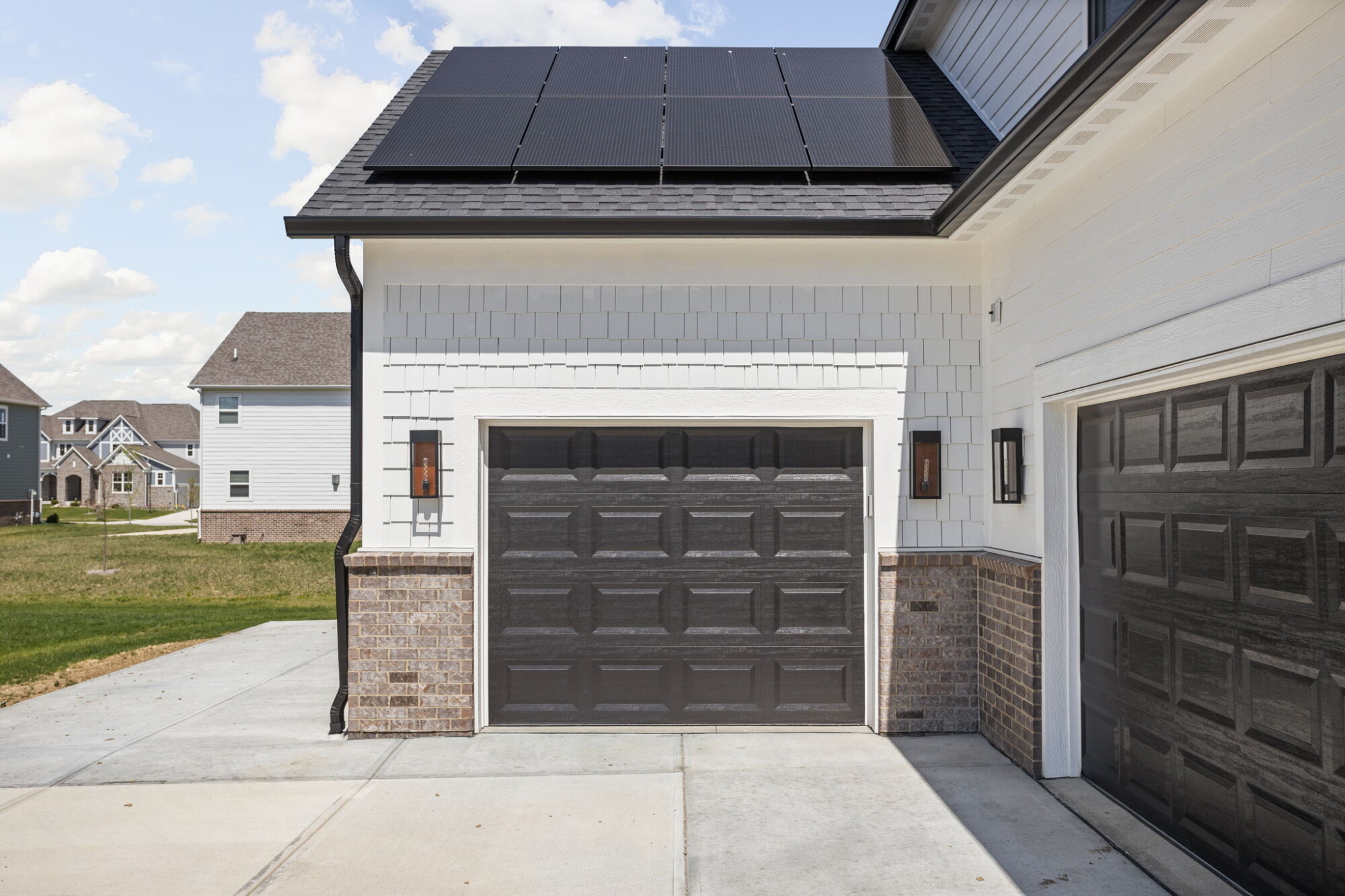
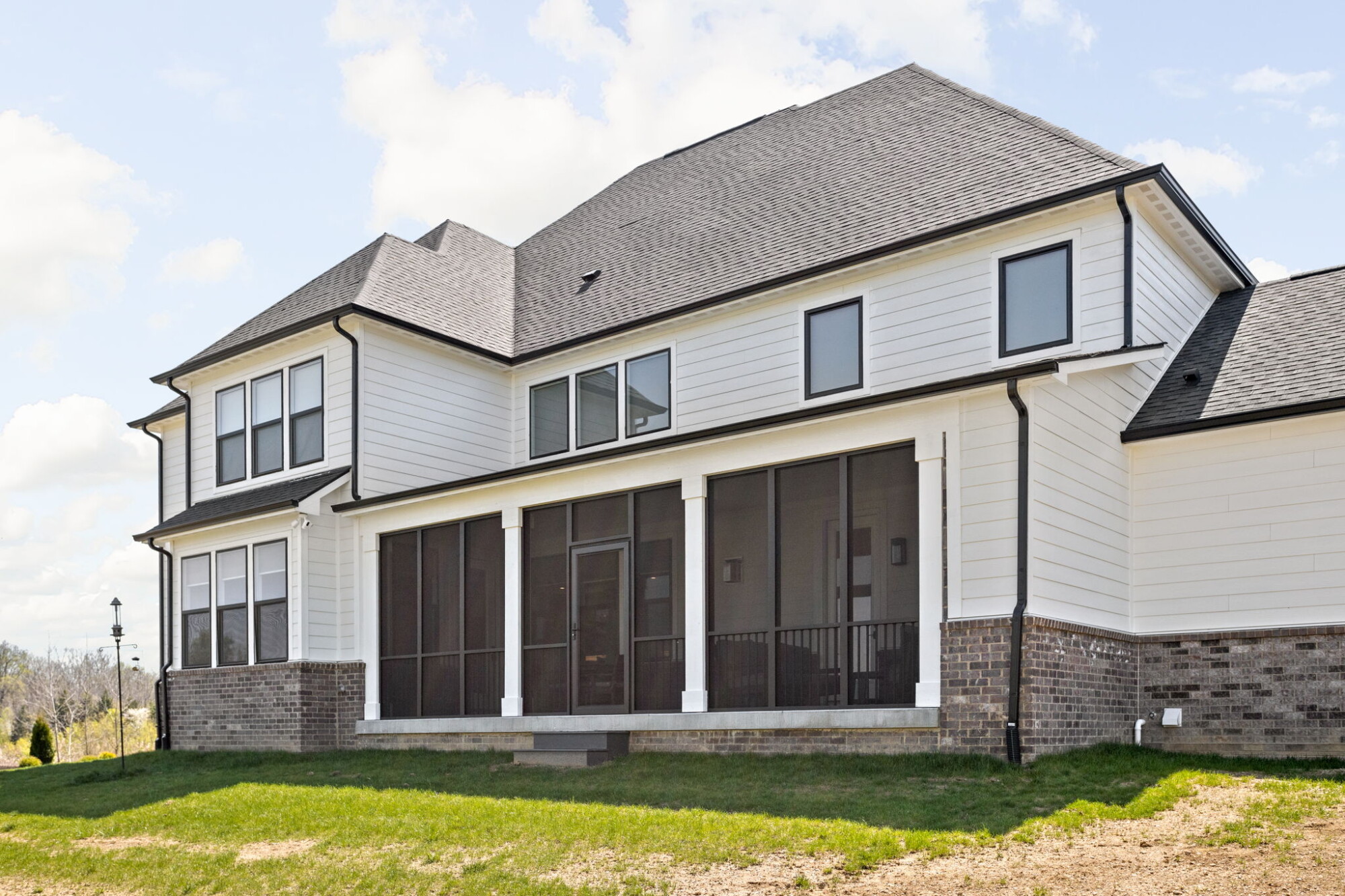
This project in Carmel included a one car garage addition paired with a screened in porch. The garage expanded storage capacity while maintaining the architectural integrity of the home. The screened porch created a comfortable outdoor space protected from insects and weather.
Together, these elements added function and flexibility without overwhelming the original structure. The project demonstrates how additions can serve multiple purposes while remaining cohesive.
More Space in Butler-Tarkington
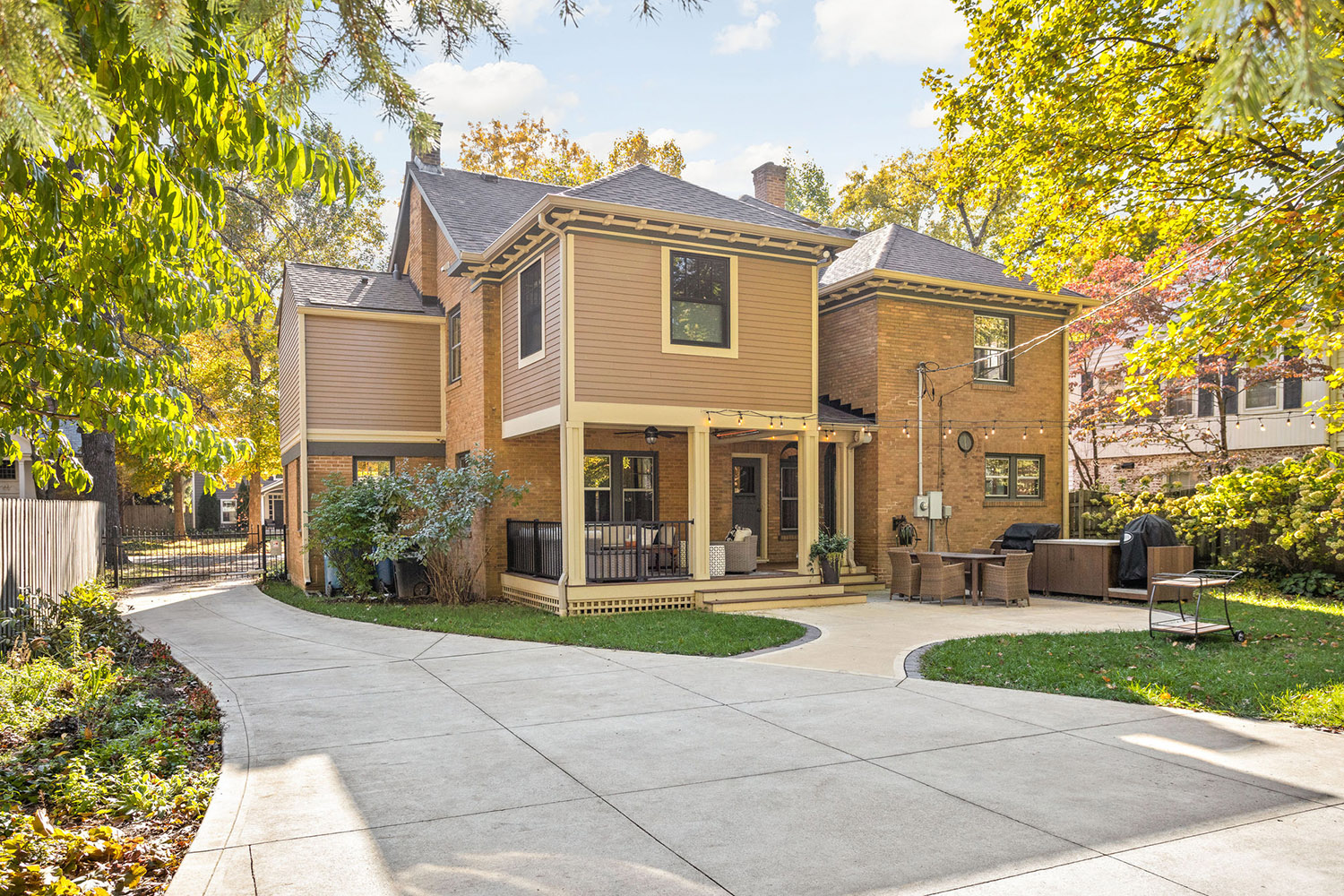
In the Butler-Tarkington neighborhood, this addition focused on creating a new primary bedroom suite, dedicated laundry space, and enhanced access to outdoor living.
Rather than simply adding rooms, the design rebalanced the home’s layout. Circulation improved, storage increased, and the connection between interior and exterior spaces was strengthened.
This case study highlights how additions can dramatically improve comfort and organization while respecting neighborhood character.
Home Addition Tips
Sometimes the best starting point is seeing what is possible. This resource rounds up several home addition ideas Worthington sees homeowners request most often, including master suite expansions, sunroom style spaces, and split level updates that add square footage while improving how the home flows. It also highlights a key marker of a successful addition: the ability to blend the existing home with the new space so the final result feels cohesive inside and out.
If you’re weighing early concepts and want real examples of how additions can be shaped around daily needs and long term comfort, explore home addition tips for additional insight.
Frequently Asked Questions
What is the difference between a home addition and a remodel?
A remodel updates existing space, while a home addition increases square footage. Additions require structural integration, foundation work, and often roofline adjustments. They typically involve more permitting and engineering coordination. Both improve function, but additions expand physical space.
How long does a home addition typically take?
Timelines vary depending on scope, complexity, and permitting requirements. Projects involving structural changes and plumbing take longer than cosmetic expansions. Planning and design phases are just as important as construction. Clear communication helps keep expectations aligned.
Will a four season room increase home value?
A properly designed four season room can increase usability and resale appeal. Buyers often appreciate flexible living space with natural light. The key is ensuring the room feels integrated rather than detached. Quality materials and architectural alignment matter.
Do I need to upgrade my HVAC system for an addition?
In many cases, the existing system must be evaluated to determine capacity. Larger additions may require system upgrades or supplemental equipment. Proper mechanical planning ensures year round comfort. This step is critical for performance.
What factors most affect home additions cost?
Structural complexity, size, finish selections, and mechanical requirements are major drivers. Site conditions and exterior material integration also influence investment. Plumbing spaces add value but increase scope. Early planning clarifies expectations.
How do you ensure an addition looks original to the home?
Architectural proportions, rooflines, trim details, and window styles must align. Matching exterior materials and maintaining scale are essential. Interior transitions should feel intentional. Thoughtful design prevents the addition from appearing tacked on.
Is adding a half bath worth it?
A half bath improves convenience, especially near outdoor spaces or entertaining areas. It can reduce traffic through primary bathrooms. From a resale perspective, additional bathrooms are often attractive. Functionality is key.
What permits are required for a home addition in Indianapolis?
Permit requirements vary by municipality and scope. Structural work, plumbing, electrical, and mechanical upgrades typically require approvals. Working with an experienced team simplifies compliance. Early coordination prevents delays.
Can I live in my home during construction?
In many cases, yes. Construction areas can be phased and isolated. Clear scheduling and communication help minimize disruption. However, homeowners should expect some temporary inconvenience.
How do I start planning a home addition?
Begin by identifying how you want your home to function differently. Consider daily routines, entertaining habits, and long-term needs. Consulting with a design build team provides clarity on feasibility and scope. Early conversations prevent costly changes later.
Start Planning Your Home Addition
Whether you are considering a four season room, garage expansion, or full primary suite addition, thoughtful planning makes the difference.
Homeowners throughout Indianapolis and surrounding communities including Carmel and Butler-Tarkington often begin with the same question: how can we make our home work better for us?
The answer starts with understanding your goals and exploring the possibilities.
If you are researching the best home additions Carmel Indiana or exploring a home addition Indianapolis, reach out to begin the conversation.